
Shipping Cargo to Svalbard And Jan Mayen
HSR SEA SHIPPING LINE
Shipping Cargo to Svalbard And Jan Mayen

100% trusted
Logistic Partner
Freight Options
Choosing the Best Shipping Mode from Svalbard And Jan Mayen
Sea Cargo to Svalbard And Jan Mayen
Air Cargo to Svalbard And Jan Mayen
Courier Cargo to Svalbard And Jan Mayen
Shipping Cargo to Svalbard And Jan Mayen
Sea Ports
- Sea Freight for Shipping Cargo to Svalbard And Jan Mayen
- Air Freight for Shipping Cargo to Svalbard And Jan Mayen
- Land Freight for Shipping Cargo to Svalbard And Jan Mayen
Why Choose HSR Sea Shipping line for Shipping Cargo to Svalbard And Jan Mayen?
Shipping cargo to Svalbard and Jan Mayen is an essential aspect of supporting various industries and research activities in these remote regions. Svalbard, for example, serves as a hub for scientific research, mining, and tourism, while Jan Mayen is primarily known for its military and research activities. The harsh Arctic conditions make it difficult to maintain regular transportation routes, but shipping remains crucial for the supply of goods such as food, equipment, fuel, and construction materials. Understanding the best practices for shipping to these areas will help businesses, research institutions, and individuals get their cargo to Svalbard and Jan Mayen in a safe and efficient manner.
Types of Cargo Services for Shipping to Svalbard and Jan Mayen
Shipping cargo to Svalbard and Jan Mayen requires a well-planned strategy, given the remote nature of these regions. Below are the key types of cargo services you can consider when shipping to these Arctic areas:
-
Ocean Freight Shipping:
Since Svalbard and Jan Mayen are located in the Arctic Ocean, ocean freight is one of the most common methods for shipping cargo to these regions. Ocean vessels transport goods from various international ports, typically in Norway, to the islands. Due to the remote nature of these areas, ocean freight services to Svalbard and Jan Mayen are often seasonal, with shipping routes operating during the ice-free months of the year, generally from late spring to early fall. Goods such as construction materials, fuel, food, and equipment are frequently shipped via ocean freight. -
Air Freight Shipping:
For urgent shipments or high-value goods, air freight is an alternative to ocean shipping. Air freight is suitable for smaller, time-sensitive shipments, such as scientific equipment, medical supplies, or emergency materials. Svalbard is served by Longyearbyen Airport, which handles international flights, primarily from Norway. Air freight to Svalbard and Jan Mayen provides faster transit times compared to ocean freight, though it is typically more expensive. This method is ideal for shipments that need to arrive quickly or for sensitive goods that require careful handling. -
Breakbulk Shipping:
For oversized or irregularly shaped cargo that cannot be transported in standard containers, breakbulk shipping is an appropriate option. This type of cargo is commonly used for large equipment, machinery, or construction materials that are vital for infrastructure development or research in these remote regions. Breakbulk shipments are often loaded directly onto cargo ships without being placed in containers, offering more flexibility in the types of goods that can be shipped. -
Container Shipping:
Container shipping is the most common method for shipping bulk cargo to Svalbard and Jan Mayen. Standard 20-foot or 40-foot containers are used to transport a variety of goods, including commercial products, food supplies, and personal items. Container shipping is generally the most cost-effective option for larger shipments, especially when utilizing ocean freight. It also ensures the protection of goods during transit, safeguarding them from harsh weather conditions. -
RoRo (Roll-on/Roll-off) Shipping:
For vehicles or large machinery, Roll-on/Roll-off (RoRo) shipping is a preferred method. This service allows vehicles and large equipment to be driven directly onto the vessel and unloaded at the destination port. RoRo shipping is ideal for transporting vehicles such as trucks, construction machinery, or specialized equipment to Svalbard and Jan Mayen. -
Charter Services:
For highly specialized or large-scale shipments, chartering a vessel or aircraft may be necessary. Charter services are commonly used for bulk shipments or when specific shipping requirements are needed, such as transporting oversized cargo that cannot be accommodated by regular freight services. Charter services can be tailored to meet specific deadlines or transportation needs for shipments to remote locations like Svalbard and Jan Mayen.
Key Considerations When Shipping Cargo to Svalbard and Jan Mayen
-
Seasonality and Weather Conditions:
Due to the Arctic climate, shipping to Svalbard and Jan Mayen is heavily influenced by seasonal weather conditions. The shipping season generally runs from May to October when the waters are ice-free, and ships can safely access the islands. During the winter months, heavy ice and extreme weather conditions can delay or even prevent shipping operations. It’s important to plan shipments well in advance and be aware of the shipping season to avoid delays. -
Customs and Import Regulations:
As part of Norway, both Svalbard and Jan Mayen are subject to Norwegian customs regulations. However, there are some differences in the customs rules for these regions compared to mainland Norway. Svalbard, for example, has a unique customs status, with no import duties on most goods. For Jan Mayen, standard Norwegian customs regulations apply. It’s crucial to ensure that the necessary documentation, such as invoices, certificates of origin, and shipping manifests, are completed accurately to avoid delays at customs. -
Shipping Costs:
Shipping cargo to remote regions like Svalbard and Jan Mayen can be more expensive than shipping to other destinations. The cost of shipping depends on factors such as the size and weight of the cargo, the shipping method, and the time of year. Ocean freight tends to be more cost-effective for larger shipments, while air freight can be more expensive due to its faster delivery time. Additionally, shipping to these regions may involve handling fees, insurance, and additional charges for special services like RoRo or breakbulk shipping. -
Security and Safety:
The safety of cargo is a critical consideration when shipping to remote locations like Svalbard and Jan Mayen. Extreme weather conditions, rough seas, and limited infrastructure can pose risks during transit. It’s essential to work with a reputable shipping provider that has experience in handling shipments to Arctic regions. GPS tracking, insurance, and specialized packaging for harsh conditions are all key to ensuring that your cargo arrives safely. -
Insurance:
Given the unique challenges of shipping to the Arctic, cargo insurance is highly recommended for shipments to Svalbard and Jan Mayen. Insurance provides coverage in case of damage, loss, or theft during transit. Depending on the nature of your cargo, you may want to opt for additional coverage for extreme weather conditions or specialized goods. -
Transit Times:
Transit times for shipping cargo to Svalbard and Jan Mayen can vary greatly depending on the shipping method and origin of the shipment. Ocean freight shipments typically take several days to weeks, depending on the departure port and weather conditions. Air freight offers faster delivery times, but it is more limited in capacity and more costly. Plan ahead to ensure your cargo arrives when needed.
How to Choose the Right Shipping Partner
When selecting a shipping provider for cargo to Svalbard and Jan Mayen, consider the following:
-
Experience with Arctic Shipping: Choose a shipping company with experience handling cargo to Arctic regions. A provider familiar with the challenges of shipping to remote and ice-prone areas will be better equipped to handle logistics and unforeseen issues.
-
Range of Services: Ensure that the shipping provider offers a variety of services, including ocean freight, air freight, and specialized options like breakbulk and RoRo shipping. This will give you the flexibility to choose the most suitable option for your cargo.
-
Reliability and Track Record: Look for a company with a reputation for reliable and on-time deliveries. Delays can be costly, especially in remote regions, so ensure your provider has a strong track record of timely deliveries.
-
Customer Service: Effective communication and customer support are essential when shipping to remote locations. Choose a shipping company that offers responsive customer service and can provide updates on the status of your cargo.
Conclusion: Shipping Cargo to Svalbard and Jan Mayen with Confidence
Shipping cargo to Svalbard and Jan Mayen requires careful planning, the right logistics, and a reliable shipping partner to ensure your goods arrive safely and on time. Whether you’re shipping by sea, air, or land, it’s important to account for the unique challenges of these remote Arctic regions. By choosing the right shipping method, understanding customs regulations, and considering key factors like weather and security, you can ensure a smooth shipping process to Svalbard and Jan Mayen.
Get your cargo from Dubai to Canada ready for shipment today! Go dial +971 54 279 7187 or write an e-mail to [email protected] right now to get your free quote. Don’t worry as HSR Sea Shipping Line got your back.
Our Services
Land Cargo
Land cargo shipping facilitates the efficient overland transport of goods to neighboring regions. This method is ideal for shorter distances, providing timely delivery
40ft High Cube Container
The 40-foot high cube container offers additional height for cargo. This container type is ideal for shipping larger items, ensuring efficient transport from China
AIr Cargo
Air cargo shipping provides urgent shipment option. This method is ideal for high-value goods, ensuring efficient delivery from China to globe
RO-RO Cargo
RO-RO shipping allows for the easy transport of wheeled cargo. This method is efficient & secure, making it an ideal choice for shipping vehicles.
Heavy Lift Cargo
Heavy lift shipping specializes in transporting heavy machinery. This method ensures that large cargo is handled safely and efficiently, making it suitable for industries
LCL Cargo
LCL shipping is a cost-effective solution for transporting smaller cargo volumes. This method allows multiple shipments to share container space
Break Bulk Cargo
Break bulk shipping manages the transport of non-containerized cargo. This method requires special handling, ensuring the safe movement of diverse goods
FCL Cargo
FCL shipping offers exclusive use of a container for larger shipments. This method ensures maximum efficiency for transporting goods directly from China
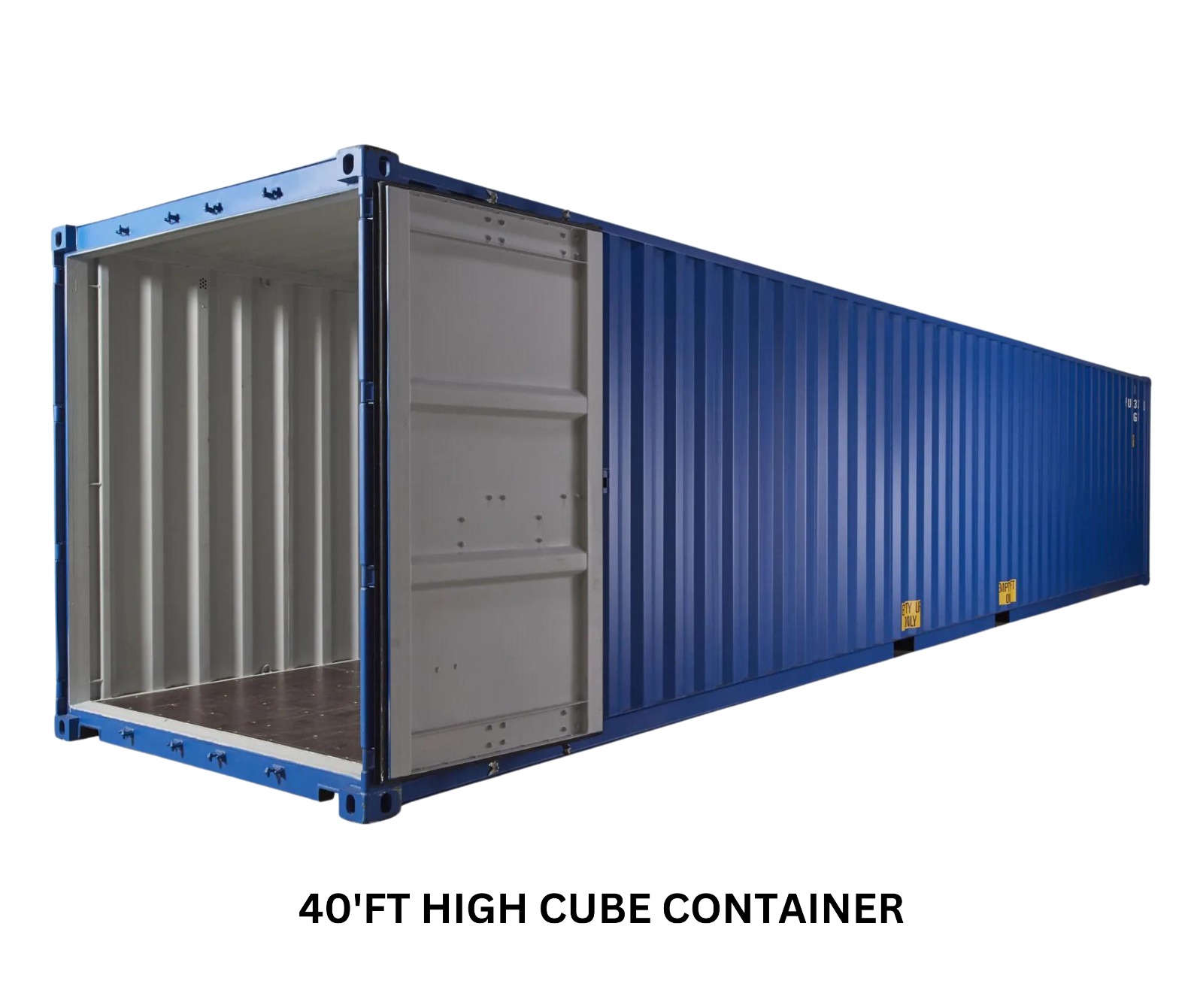
40'Ft High Cube Container
Length: 12.02 m
Width: 2.35 m
Height: 2.69 m
Max Payload: 28,500 KG
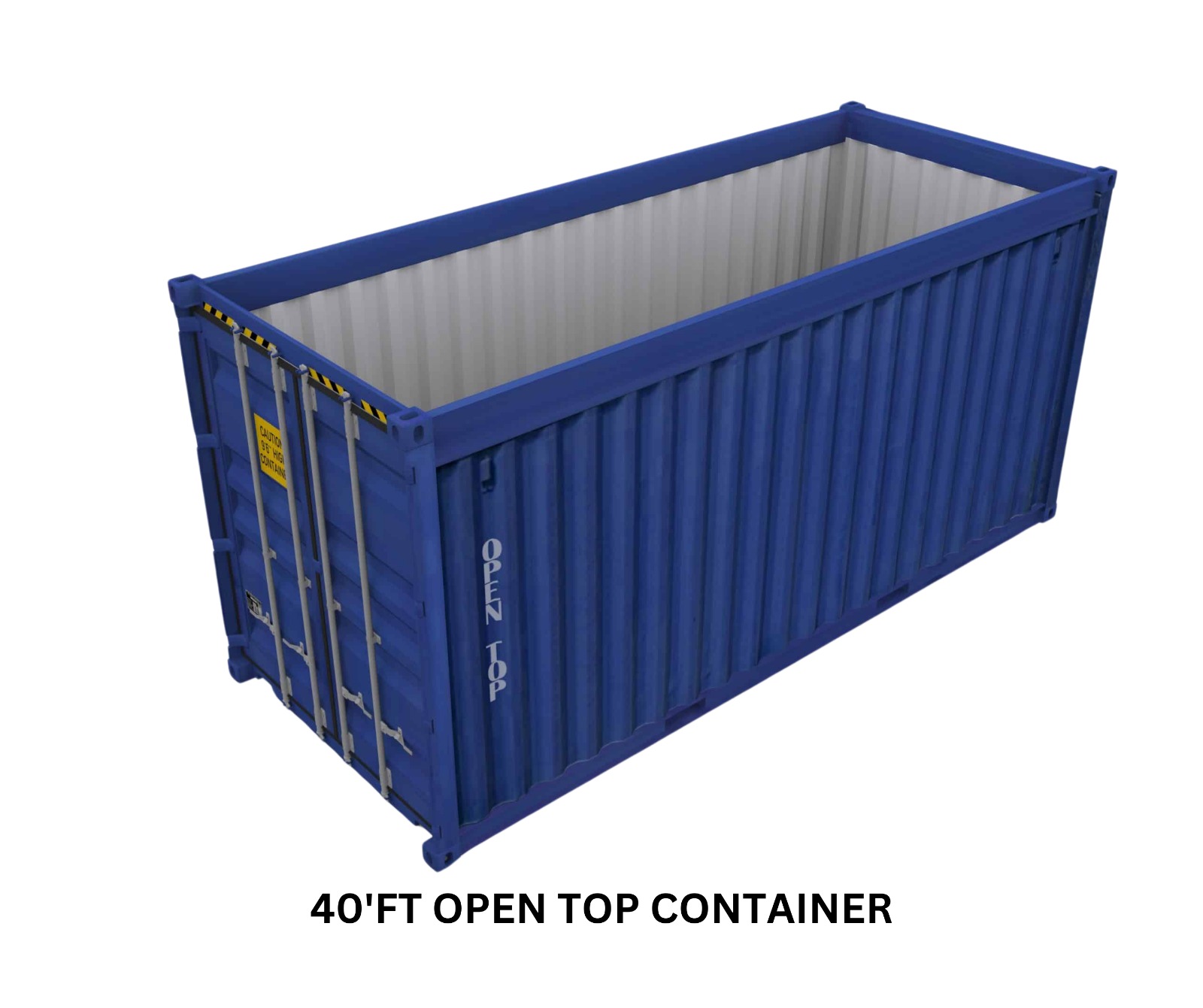
40' Open top container
Length: 12.02 m
Width: 2.35 m
Height: 2.38 m
Max Payload: 28,500 KG
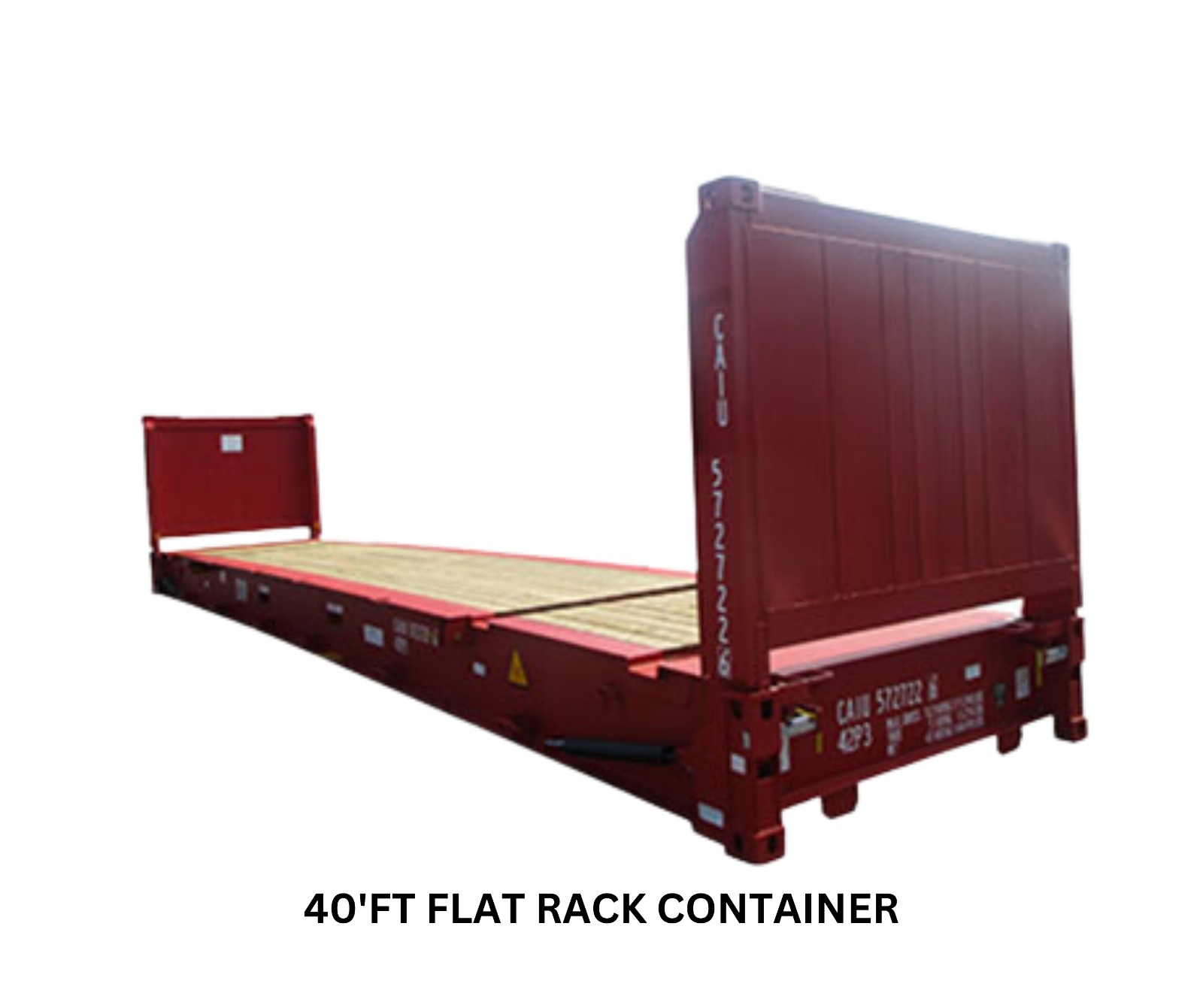
40' Flat rack container
Length: 11.66 m
Width: 2.37 m
Height: 2.28 m
Max Payload: 32,500 KG
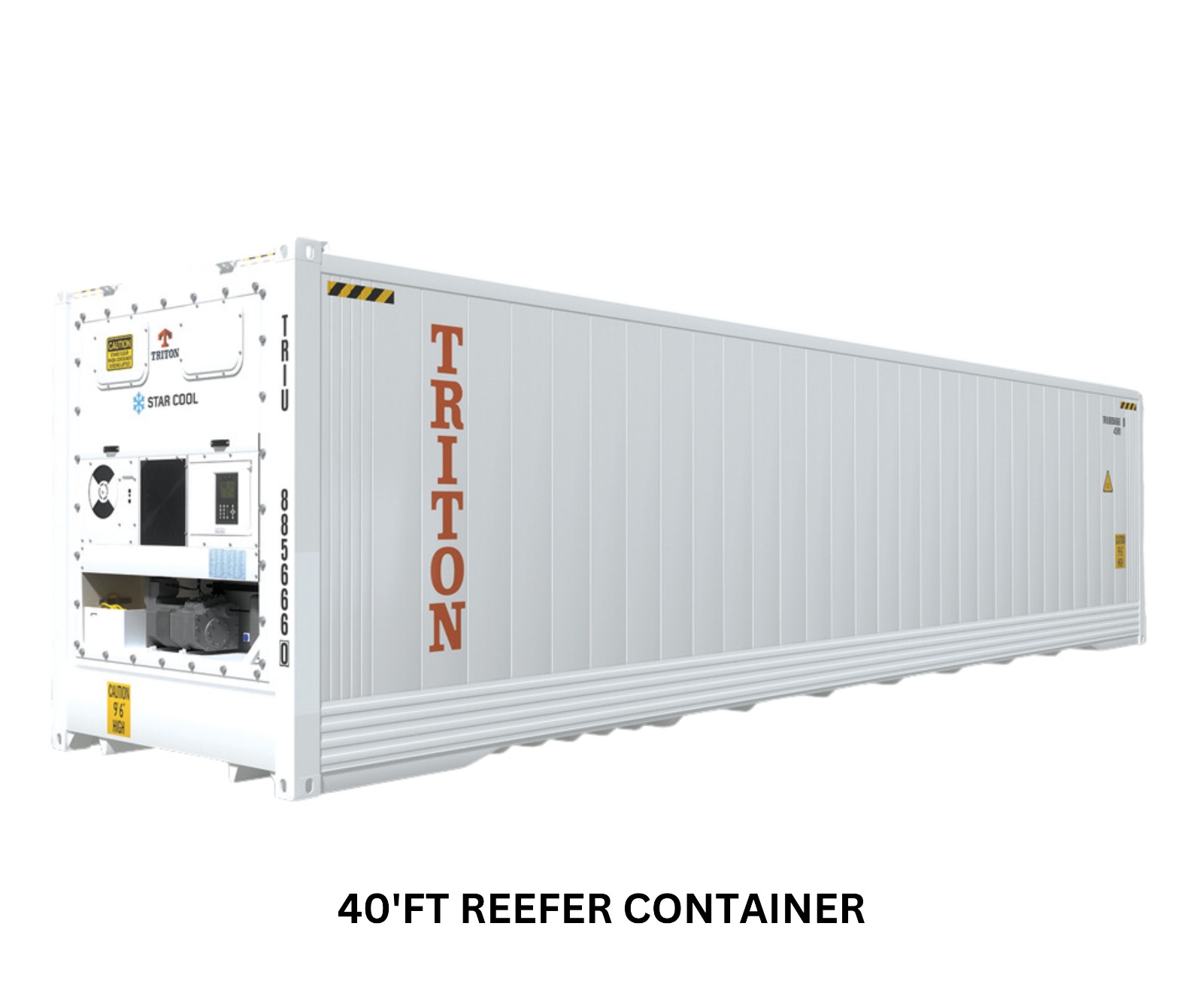
40' Reefer container
Length: 11.48 m
Width: 2.26 m
Height: 2.18 m
Max Payload: 27,500 KG
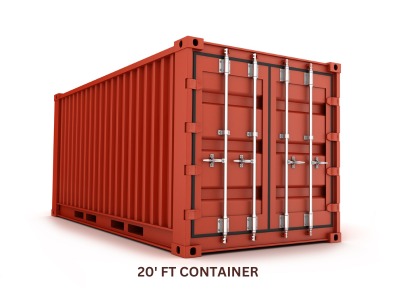
20' Dry container
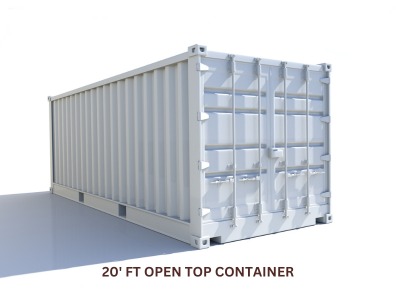
20' Open top container
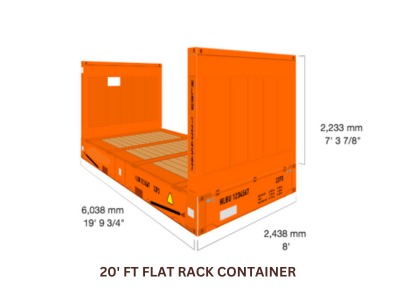
20' Flat rack container
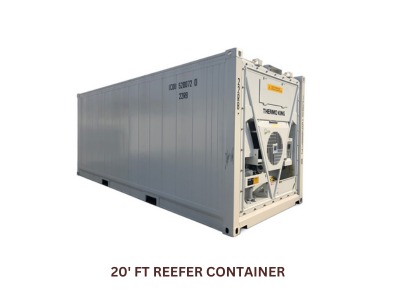
20' Reefer container
Our Commodities
- Shipping General Cargo to Svalbard And Jan Mayen
- Shipping Consumer goods Cargo to Svalbard And Jan Mayen
- Shipping Electronics Cargo to Svalbard And Jan Mayen
- Shipping Clothing Cargo to Svalbard And Jan Mayen
- Shipping Furniture Cargo to Svalbard And Jan Mayen
- Shipping Perishable Goods Cargo to Svalbard And Jan Mayen
- Shipping Temperature Control Cargo to Svalbard And Jan Mayen
- Shipping Fresh Produce Cargo to Svalbard And Jan Mayen
- Shipping Dairy products Cargo to Svalbard And Jan Mayen
- Shipping Meat Cargo to Svalbard And Jan Mayen
- Shipping Pharmaceuticals Cargo to Svalbard And Jan Mayen
- Shipping Hazardous Materials Toxic Cargo to Svalbard And Jan Mayen
- Shipping Dangerous Chemicals Cargo to Svalbard And Jan Mayen
- Shipping Lubricants Cars Cargo to Svalbard And Jan Mayen
- Shipping Household Goods Cargo to Svalbard And Jan Mayen
- Shipping Batteries Cargo to Svalbard And Jan Mayen
- Shipping Bulk Cargo to Svalbard And Jan Mayen
- Shipping Loose materials Cargo to Svalbard And Jan Mayen
- Shipping Grains Cargo to Svalbard And Jan Mayen
- Shipping Coal Cargo to Svalbard And Jan Mayen
- Shipping Minerals Cargo to Svalbard And Jan Mayen
- Shipping Oversized Cargo to Svalbard And Jan Mayen
- Shipping Heavy Machinery Cargo to Svalbard And Jan Mayen
- Shipping Construction Equipment Cargo to Svalbard And Jan Mayen
- Shipping Hazardous Chemicals Cargo to Svalbard And Jan Mayen
- Shipping Industrial Chemicals Cargo to Svalbard And Jan Mayen
- Shipping Bulk Chemical Cargo to Svalbard And Jan Mayen
- Shipping Beverages Cargo to Svalbard And Jan Mayen
- Shipping Trucks Cargo to Svalbard And Jan Mayen
- Shipping Construction Materials Cargo to Svalbard And Jan Mayen
- Shipping Pharmaceuticals Chemicals Cargo to Svalbard And Jan Mayen
- Shipping Petrochemicals Cargo to Svalbard And Jan Mayen
- Shipping Consumer Chemicals Cargo to Svalbard And Jan Mayen
- Shipping Specialty Chemicals Cargo to Svalbard And Jan Mayen
- Shipping Biochemicals Cargo to Svalbard And Jan Mayen
- Shipping Petroleum Cargo to Svalbard And Jan Mayen
- Shipping Crude Oil Cargo to Svalbard And Jan Mayen
- Shipping Refined Petroleum Cargo to Svalbard And Jan Mayen
- Shipping Products Cargo to Svalbard And Jan Mayen
- Shipping Gasoline Cargo to Svalbard And Jan Mayen
- Shipping Diesel Fuel Cargo to Svalbard And Jan Mayen
- Shipping Jet Fuel Cargo to Svalbard And Jan Mayen
- Shipping Kerosene Cargo to Svalbard And Jan Mayen
- Shipping Heating Oil Cargo to Svalbard And Jan Mayen
- Shipping Liquefied Petroleum Gas (LPG) Cargo to Svalbard And Jan Mayen
- Shipping Asphalt Cargo to Svalbard And Jan Mayen
- Shipping Automobiles Textiles and Apparel Cargo to Svalbard And Jan Mayen
- Shipping Fabrics, garments, and related items Cargo to Svalbard And Jan Mayen
- Shipping Industrial Components Cargo to Svalbard And Jan Mayen
- Shipping Liquid Cargo to Svalbard And Jan Mayen